




Advertisement
Advertisement
US government officials are urging people to begin consuming an invasive rodent known as the nutria, despite it presenting several significant health risks.
Nutria are semi-aquatic rodents that hail from South America and resemble beavers but without the distinctive tail.
They were initially brought to the US, as well as Europe and Asia, for their fur.
However, their destructive burrowing and feeding behaviors have caused considerable environmental damage and led to their classification as an invasive species.
Advert
Now, the US Fish and Wildlife Service has devised an unusual strategy to tackle the country's nutria population problem – consuming them.
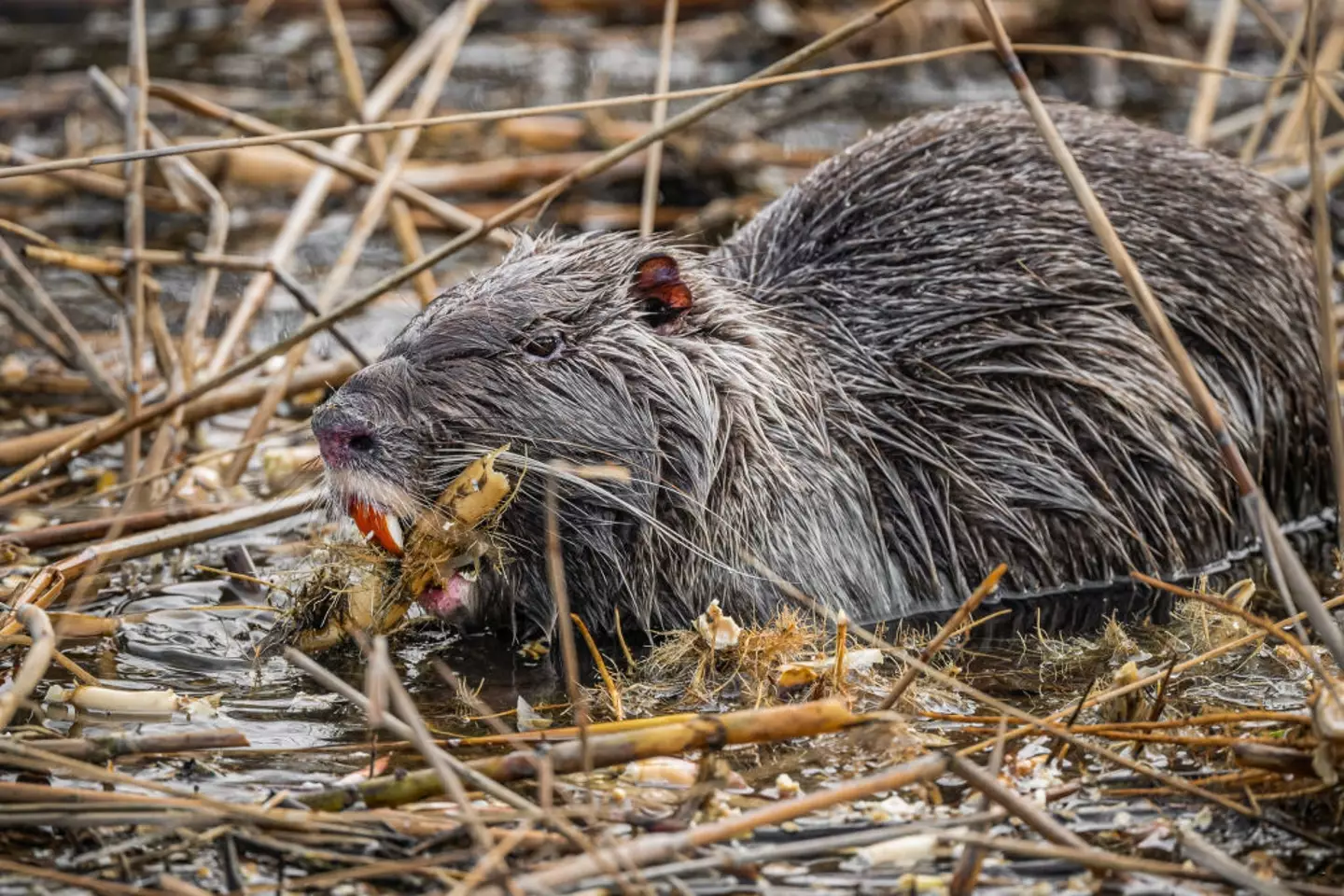
In February, the government agency initiated a new campaign encouraging people to replace chicken or beef with the nutria's gamey meat.
In a Facebook post, they stated: "EAT ME! Please? I'm invasive and delicious."
Advert
"It's National Invasive Species Awareness Week, and this year, please consider this slogan: 'Save a Swamp, Sauté a Nutria.'
"Their relentless eating and burrowing destroy the vegetation that keeps marshes stable, causing erosion, habitat loss, and turning wetlands into something reminiscent of a disaster movie."
The agency added: "Their meat has been likened to rabbit or even the dark meat of turkey. If your state has nutria, check local regulations to understand the rules for hunting, capturing, and ultimately cooking these nuisance animals."
Experts have had mixed reactions to the campaign, particularly regarding the safety of consuming the rodent.
Advert
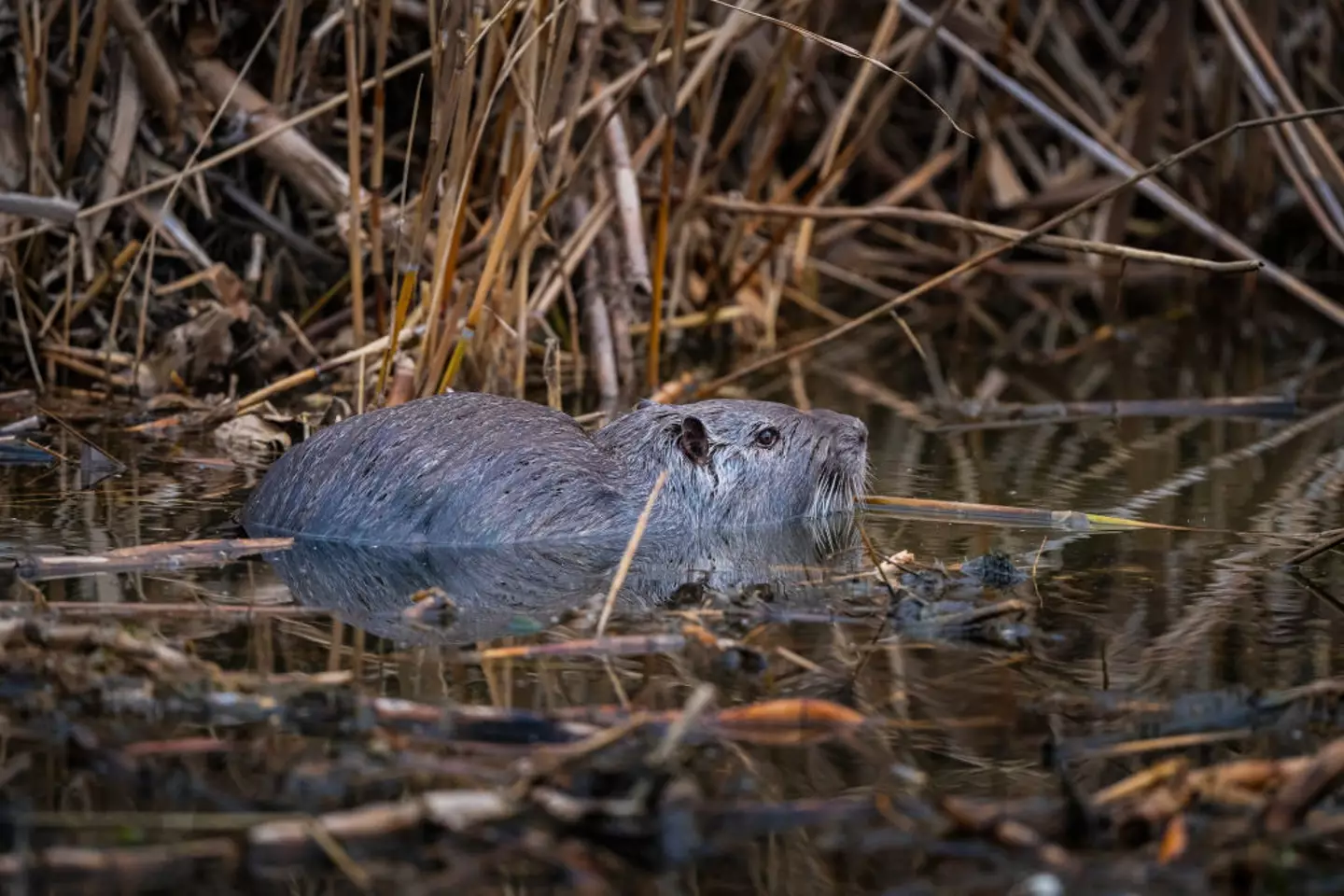
Shana Wiltshire, a Southern cuisine enthusiast and corporate caterer, told Food & Wine: "Nutria is lean, protein-rich, low in fat, and nutritionally similar to rabbit or venison. However, food safety concerns, such as environmental toxins, must be considered based on how and where it is sourced."
For those willing to try it, she suggests 'braising, stewing, or slow roasting to bring out the tenderness and flavor effectively.'
However, not everyone is convinced that eating these furry creatures is a wise choice.
Advert
CEO of CareYaya Health Technologies, Neal K Shah, states: "From a health perspective, wild nutria are hazardous. These semi-aquatic rodents can harbor numerous pathogens, such as leptospirosis, salmonellosis, and tularemia — diseases that can also be transmitted to humans through various routes beyond eating or handling wild nutria.
"Consuming raw or undercooked wild nutria could certainly expose a person to any illnesses the animal carries," he added. "Even direct contact with a healthy wild nutria could pose some risk if the animal bites. About half of all wild mammals carry some type of zoonotic (animal-to-human) disease."
We'll stick to chicken nuggets, thanks...
Advertisement
Advertisement


Advertisement


