




Advertisement
Advertisement
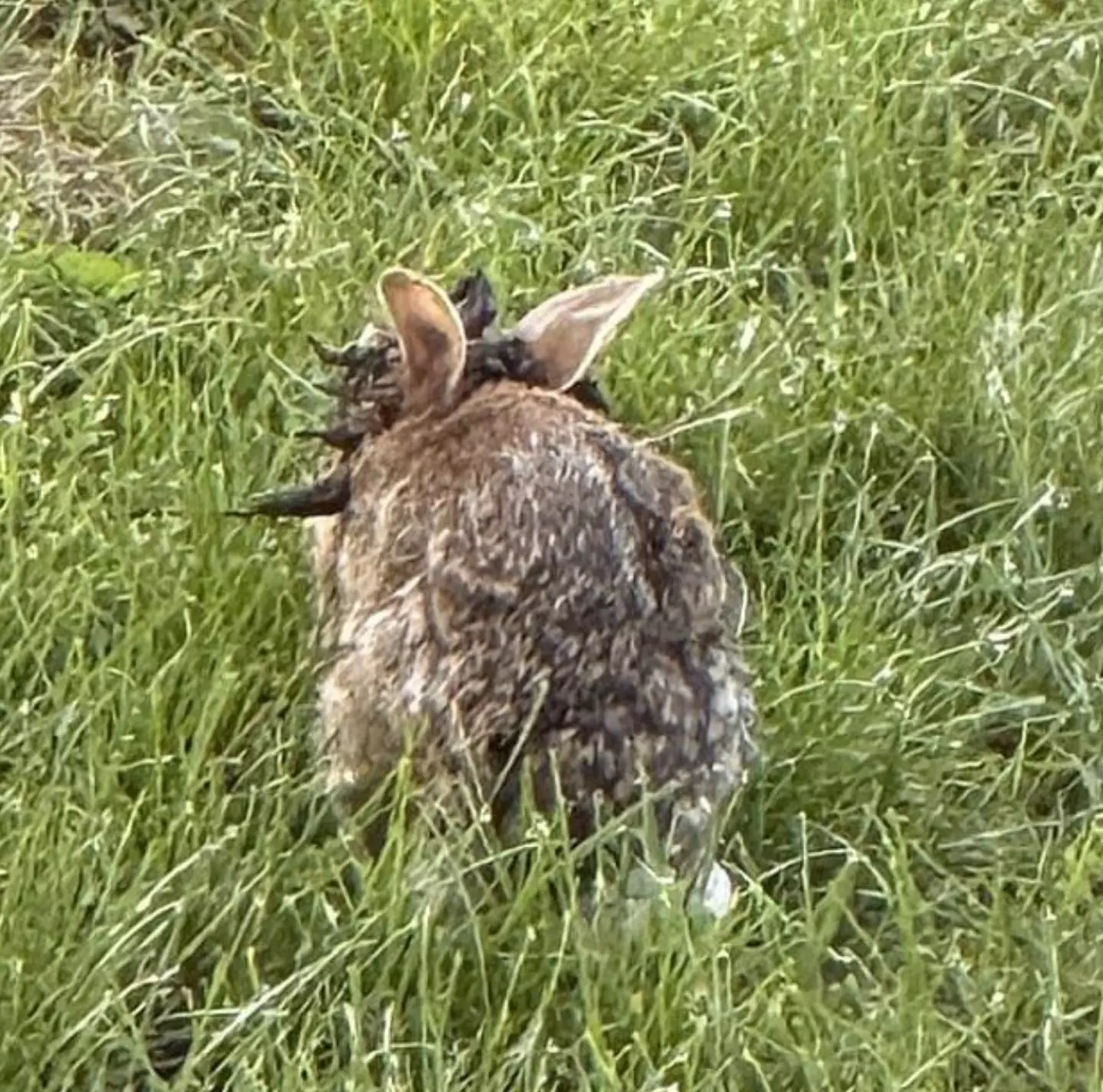
Animal enthusiasts worldwide are worried after seeing photos of wild rabbits with unusual growths on their faces and necks.
The images resemble scenes from a horror film, and these unfortunate animals have been dubbed 'zombie rabbits' online. Concerned pet owners in the US are curious about what could have caused this condition.
A Twitter user posted images of the rabbits, noting, 'Rabbits in Colorado spotted with tentacle-like growths on their heads,' and it quickly gained attention across the internet.
Some have called them 'zombie rabbits' or 'Cthulhu bunnies,' referencing the fictional character by H. P. Lovecraft.
Advert
Others joked, 'It begins!' and 'the zombie apocalypse is upon us!' while another jested about the poor timing of their planned move to Colorado.
Experts have since tried to alleviate fears by explaining the likely cause and advising on how to protect pets.
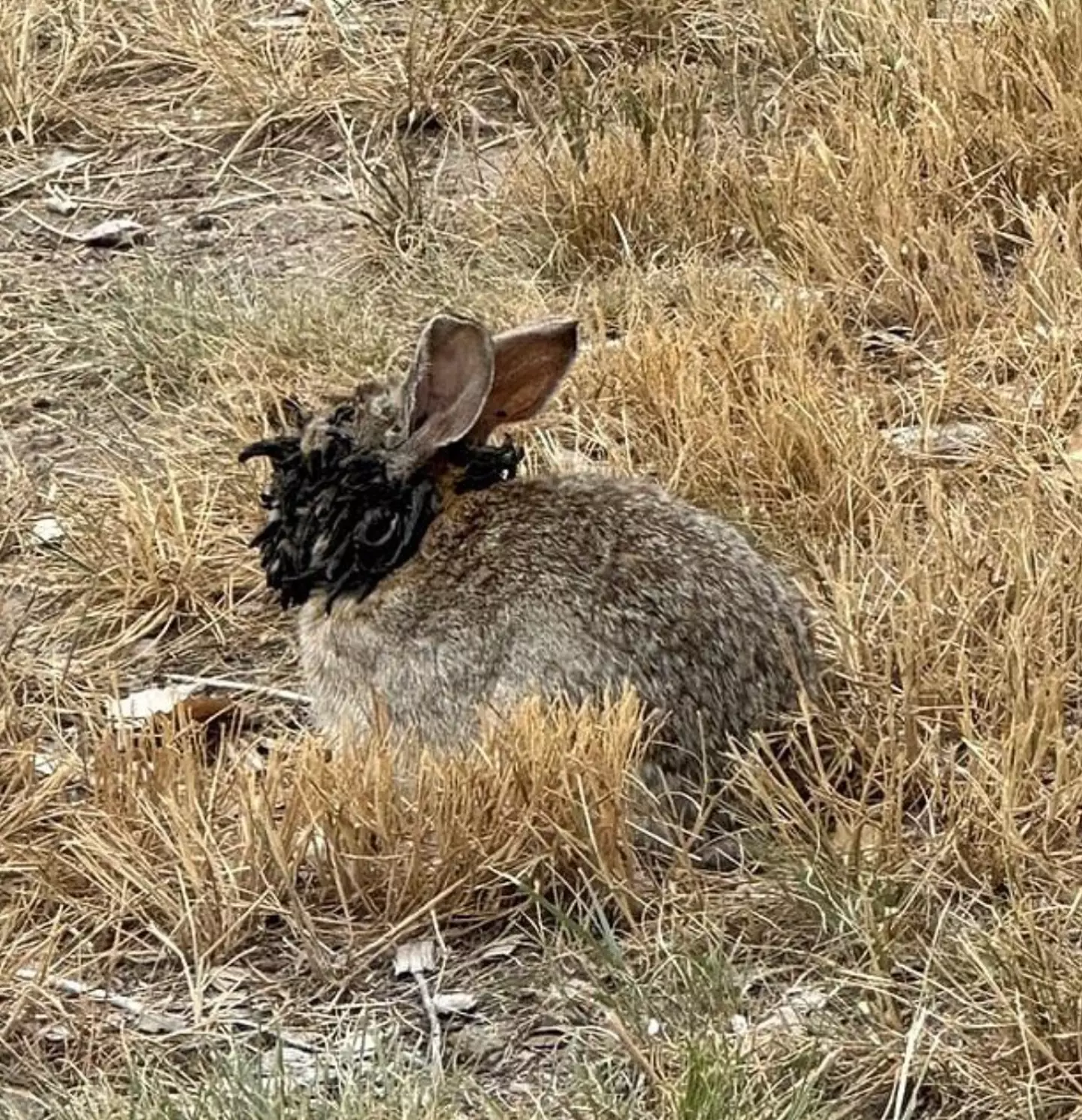
According to specialists at Pet MD, the rabbits are afflicted with cottontail cutaneous papilloma virus, also known as shope papilloma virus.
What is shope papilloma virus?
This virus is common in wild rabbits, though it can also affect pet rabbits, and typically appears during summer and autumn.
Advert
Spread by infected mosquitoes and ticks, the virus causes growths that may develop into malignant tumors.
For domestic rabbits, surgical removal is often advised, and a biopsy is performed to check for cancer.
While mostly observed in cottontail rabbits, other breeds can also be affected.
Advert
The virus belongs to the Papovaviridae family, leading to growths and lesions on the upper part of the rabbit's body.
It typically affects the face, neck, and shoulders, often appearing on the eyelids and ears. Ouch.
What should pet owners do?
Local news outlet KDVR reports that the Colorado Parks and Wildlife Department (CPW) has been informed by concerned citizens about sightings of diseased animals.
Advert
They advise that it only becomes worrisome when a rabbit's ability to eat is hindered, though some rabbits overcome the virus on their own.
CPW spokesperson Kara Van Hoose told KDVR: "There’s no significant concern needed for pet owners.
"We recommend following basic wildlife principles: Keep pets on a leash and away from wild animals just in case, but transmission from rabbits to dogs is not something we typically observe."
Can humans catch shope papilloma virus?
Fortunately, the virus is not known to spread from animals to humans.
Advert
However, Colorado Parks and Wildlife (CPW) still urges people who come across infected wild rabbits to maintain their distance, according to WLBT3 reports.

Advertisement
Advertisement
Advertisement


